Contabilidad de ingresos
Contabilidad de ingresos
Identifica con precisión cada cierre
BillingPlatform automatiza el reconocimiento de ingresos de acuerdo con la norma ASC 606 y la NIIF 15, de modo que los responsables de la contabilidad de ingresos dedican menos tiempo a las conciliaciones y más tiempo a las cifras que realmente importan.



Qué significa esto para tu equipo de contabilidad de ingresos
Haz que el cierre sea un proceso, no una situación de emergencia
Más que un motor de facturación

Motor de facturación tradicional
La norma ASC 606 / NIIF 15 se aplica automáticamente
. El modelo de cinco pasos se aplica a cada transacción, no se trata de un proceso manual.
El reconocimiento puede basarse en calendarios manuales
. Las disposiciones más complejas pueden seguir gestionándose en hojas de cálculo ajenas al sistema central.
La facturación y el reconocimiento de ingresos comparten un mismo conjunto de datos
. Los informes coinciden porque proceden de las mismas transacciones subyacentes.
La facturación y el reconocimiento de ingresos pueden ser sistemas independientes
. Conciliar ambos sistemas puede suponer tener que explicar por qué no coinciden del todo.
Registro de auditoría de cada cambio, de forma automática
. Cada transacción y modificación queda registrada y se le asigna una marca de tiempo sin necesidad de trabajo adicional.
La documentación de auditoría puede ser un proceso manual
. Reunir todo lo que necesitan los auditores puede suponer un ajetreo justo antes de la revisión.
Las normas de reconocimiento se adaptan a tu negocio
Personaliza la forma en que se reconocen los ingresos según tu modelo de negocio, en lugar de tener que ajustarte a una plantilla genérica.
Los cambios en las normas pueden requerir un proyecto técnico
. Adaptar la lógica de contabilización a un nuevo escenario puede requerir tareas de configuración que escapan al control del equipo de contabilidad.
Reconocimiento en tiempo real, no solo a corta d
. Visualiza el reconocimiento de ingresos a medida que se producen las transacciones, no solo una vez finalizado el mes.
Es posible que el reconocimiento solo sea visible al cierre
. Sin visibilidad en tiempo real, los problemas solo pueden salir a la luz cuando llega el momento de cerrar las cuentas.
La lógica de reconocimiento resiste el escrutinio del comité de auditoría
Las decisiones complejas se documentan y son coherentes, sin depender de la memoria de una sola persona sobre los motivos por los que se tomó una decisión.
Las decisiones discrecionales pueden quedarse solo en la cabeza de alguien
. Sin un sistema de registro de las decisiones de reconocimiento, el conocimiento institucional puede desaparecer junto con la persona que tomó la decisión.




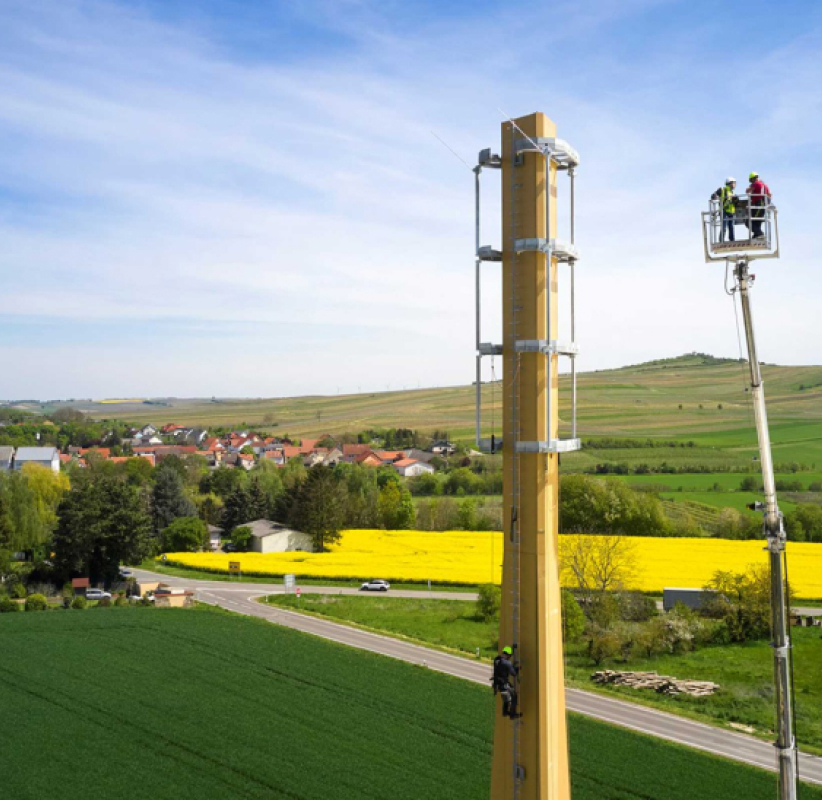
«BillingPlatform será un factor estratégico clave para nuestras futuras iniciativas de crecimiento, gracias a su capacidad para gestionar nuestro complejo negocio, su interfaz fácil de usar, su escalabilidad y su seguridad de nivel empresarial, lo que ayudará a nuestros clientes, los operadores de telefonía móvil, a gestionar y utilizar más fácilmente nuestra infraestructura y nuestros servicios para optimizar sus redes».
Lena Bettermann, Vantage Towers
Responsable de la cadena de suministro, Vantage Towers

«Estamos deseando colaborar con BillingPlatform para ampliar nuestro alcance a un número aún mayor de empresas y ofrecer a nuestros clientes comunes la mejor tecnología de facturación y pagos del mercado».
Andrew Gilboy, GoCardless
Director general para Norteamérica

«Hemos elegido BillingPlatform porque es una solución de nivel empresarial capaz de dar respuesta de forma fluida y eficiente a nuestras diversas necesidades de facturación. Las funcionalidades de BillingPlatform, entre las que destacan su capacidad para diferir los ingresos mediante el reconocimiento automatizado de los mismos y su escalabilidad, nos permiten mejorar la eficiencia operativa, lo que nos permite centrarnos en ofrecer nuevas soluciones a toda nuestra base de clientes».
Brian Herb, CCC Intelligent Solutions
Director financiero

«Como parte de una iniciativa más amplia para transformar digitalmente nuestras operaciones, BillingPlatform destacó en el mercado, no solo por su tecnología innovadora, sino también por su enfoque consultivo a la hora de comprender las complejidades de nuestro negocio y la mejor forma de apoyarlo».
Murray Walton, IDP
Director financiero